In electrostatic powder coating, the electrode is one of the most critical components of the spray gun. Although it may look like a simple spare part, its type, condition, and correct application have a direct impact on:
Electrostatic charging efficiency
Powder adhesion
Final surface finish
Powder consumption
Process stability
Choosing the right electrode for the right application can be the difference between a professional finish and coating defects.
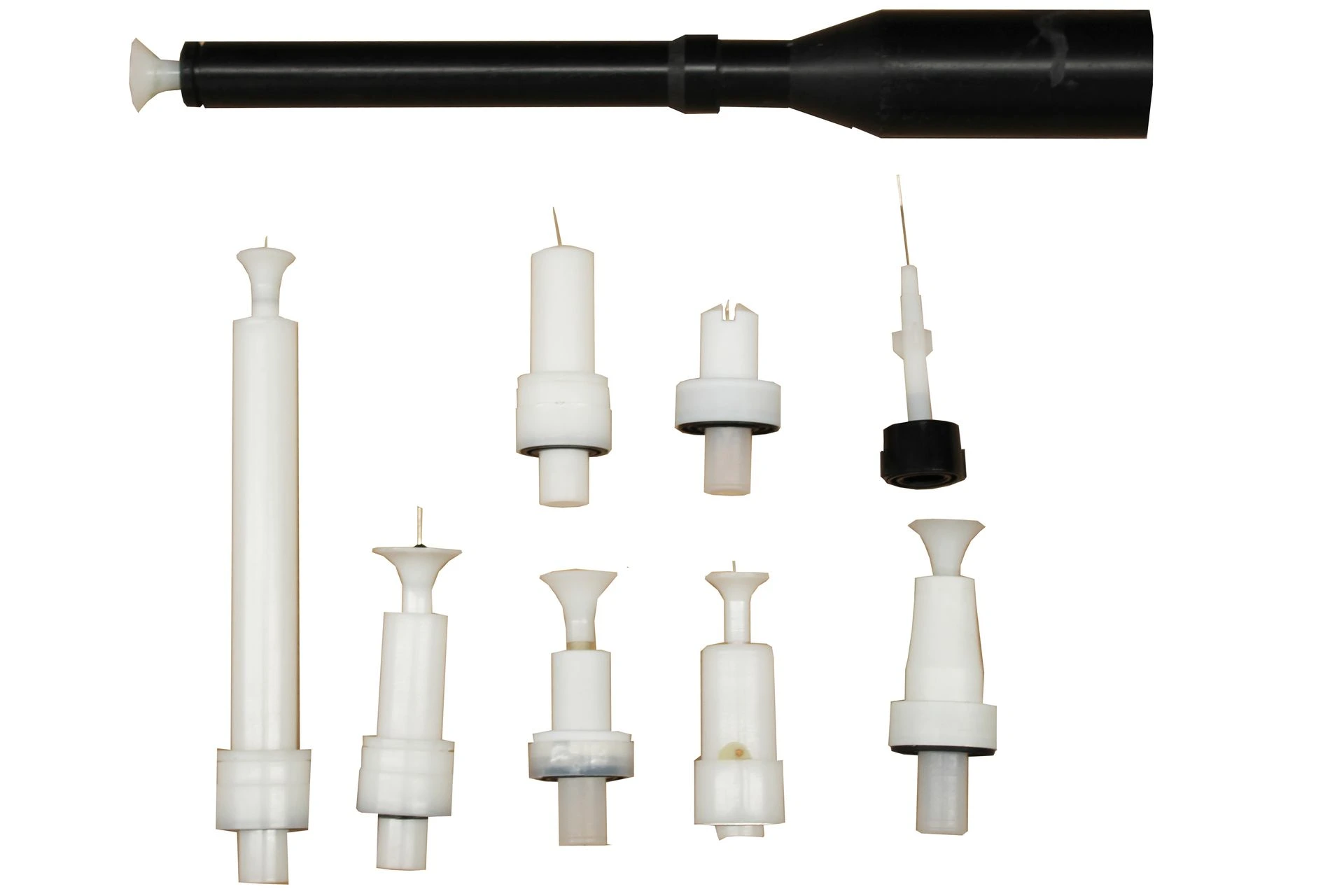
What Is the Electrode in an Electrostatic Spray Gun?
The electrode is the component responsible for generating and transmitting the electrical charge to the powder particles, allowing them to be attracted to the grounded metal part.
Depending on its shape and design, the electrode controls the intensity of the electrostatic field and the way the powder is deposited.
Most common electrode types and when to use them
🔹 1. Needle electrode
The most commonly used for general applications
Characteristics:
Fine tip
Concentrated electrostatic field
Excellent charging efficiency
When to use it:
Flat parts or simple geometries
Continuous production
When maximum powder transfer efficiency is required
Advantages:
High performance
Less paint waste
Ideal for standard industrial coating lines
🔹 2. Flat or disc electrode
For smoother and more controlled finishes
Characteristics:
Wider, less aggressive electrostatic field
Reduced point ionization
When to use it:
Delicate parts
Final coats
When a more uniform finish is required
Advantages:
Reduces “orange peel” effect
Better control on visible surfaces
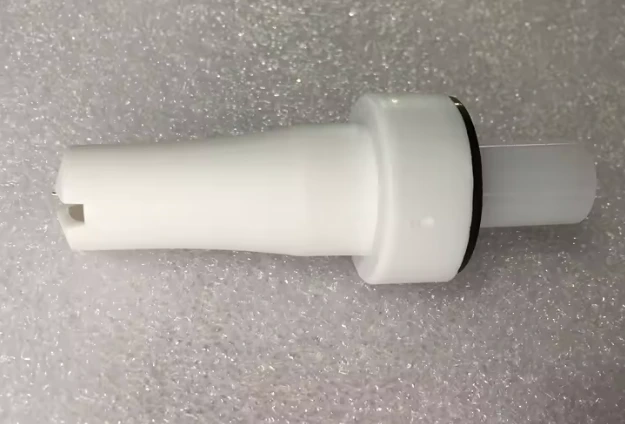
🔹 3. Star-type electrode
Designed for complex geometries
Characteristics:
Multiple ionization points
More uniform distribution of the electric field
When to use it:
Parts with holes, recesses, or complex shapes
Profiles, racks, tubular structures
Advantages:
Better powder penetration
Reduces uncoated areas
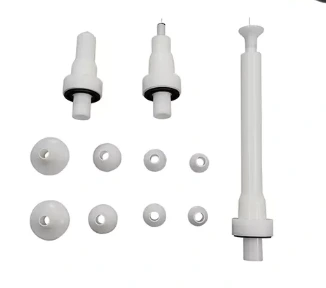
🔹 4. Internal charge electrode
High efficiency with reduced Faraday cage effect
Characteristics:
Charge is generated inside the gun body
More controlled electrostatic field
When to use it:
Deep cavities
Enclosed parts
Applications where the Faraday effect is a problem
Advantages:
Better internal coverage
More uniform finish in hard-to-reach areas
When should an electrode be replaced or inspected?
It is recommended to inspect the electrode when you notice:
Loss of adhesion
Increased powder consumption
Sparking or unstable discharge
Uneven finishes
Excessive powder buildup on the gun
A worn or dirty electrode drastically reduces the efficiency of the electrostatic system.
Practical recommendations
✔ Use the correct electrode type according to the part geometry
✔ Keep electrodes clean and free of powder buildup
✔ Replace the electrode if it shows wear, corrosion, or deformation
✔ Use spare parts compatible with your gun modela
Conclusion
Not all electrodes are suitable for every application. Choosing the right electrode at the right time improves finish quality, reduces costs, and increases the productivity of your electrostatic powder coating line.
If you are unsure which electrode to use, or if you need spare parts for your gun, having proper technical guidance can save you time, powder, and rework.